Autumn Budget 2026: What It Means for Your Business
28 October 2026
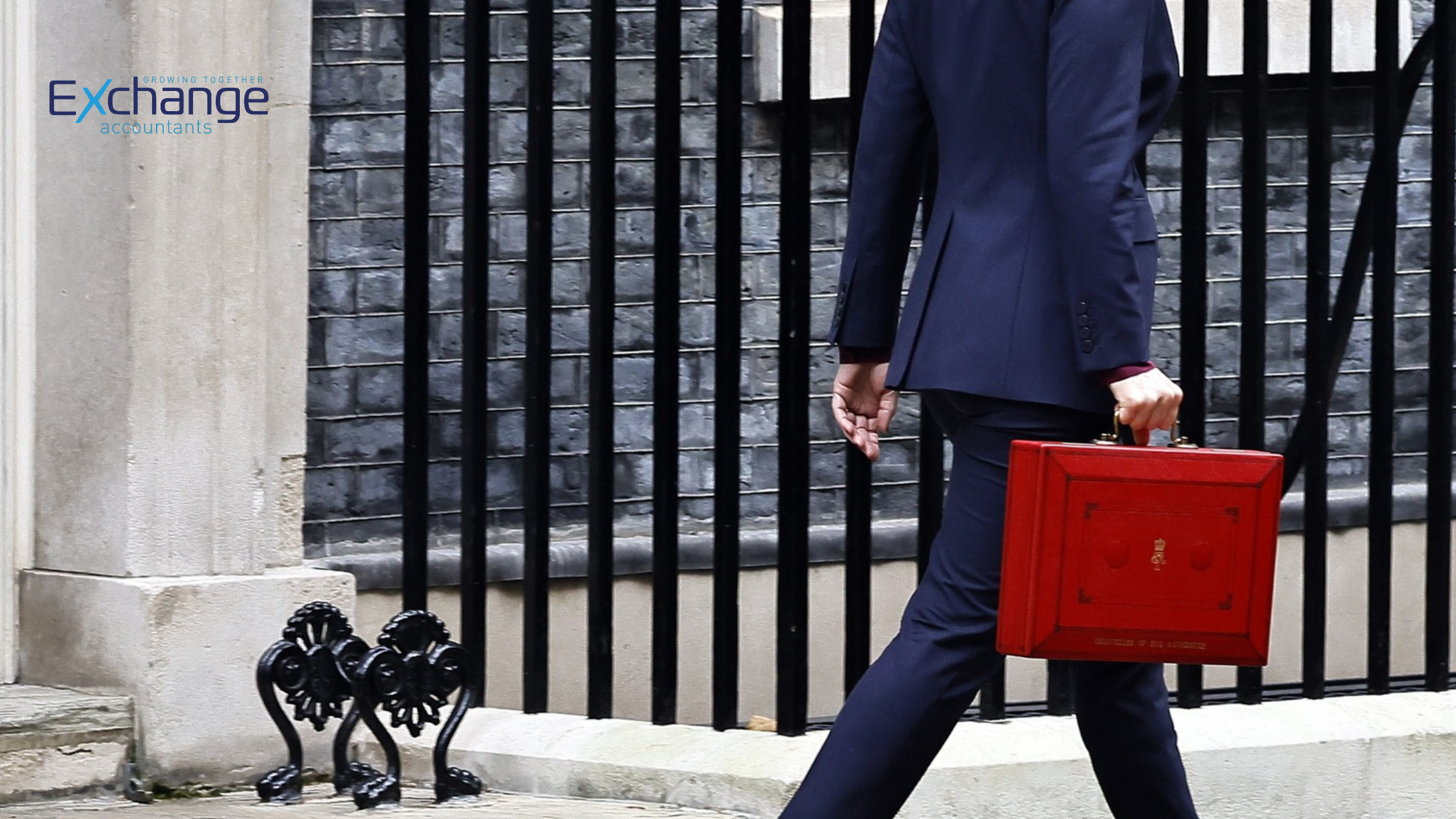
The Chancellor, John Healey, has delivered the Autumn Budget 2026, setting out the Government’s latest plans for taxation, business support and the wider economy.
With businesses continuing to face pressure from rising costs, energy prices and economic uncertainty, this year’s Budget includes a mixture of immediate support, changes to existing tax reliefs and new measures designed to encourage investment and growth.
But what does it all mean for business owners in Northern Ireland?
At Exchange Accountants, we’ve taken a closer look at the key announcements and what businesses should be considering as they plan for the year ahead.
1. National Living Wage to increase from April 2027
One of the most immediate considerations for employers is the increase in the National Living Wage and National Minimum Wage.
From 1 April 2027, the new hourly rates will be:
- £13.21 for workers aged 21 and over
- £11.27 for workers aged 18 to 20
- £8.31 for workers aged 16 to 17 and eligible apprentices
All three rates represent an increase of 3.9%.
For businesses employing staff, particularly those in hospitality, retail and other labour-intensive sectors, these increases will need to be factored into payroll budgets.
It’s also worth remembering that the cost of employing someone extends beyond their hourly rate. Employers should consider National Insurance contributions, pension contributions and other associated costs when reviewing staffing budgets for 2027.
For businesses considering recruitment or expansion, now is a sensible time to review projected employment costs. GOV.UK
2. No increase to headline Income Tax, National Insurance or VAT rates
The Chancellor confirmed that the Government will not increase the headline rates of Income Tax, National Insurance contributions or VAT.
For many businesses, this provides some welcome certainty when planning ahead.
The Government has also reaffirmed its commitment to the existing Corporation Tax Roadmap, maintaining the headline Corporation Tax rate at a maximum of 25%.
However, while the main rates remain unchanged, several more targeted tax changes have been announced.
From 6 April 2027, the rates of Income Tax on savings income will increase to 24%, 44% and 49% for basic, higher and additional rate taxpayers respectively.
The same rates will apply to property income in Northern Ireland.
For business owners receiving income from savings or rental properties alongside their business earnings, these changes could affect their overall personal tax position.
It’s important to consider the full picture rather than focusing solely on the headline tax rates. GOV.UK
3. Changes to Business Asset Disposal Relief
For business owners considering selling their business in the coming years, this is an announcement worth paying particular attention to.
The Government is reducing the lifetime limit for Business Asset Disposal Relief (BADR) from £1 million to £500,000, effective from 6 April 2027.
BADR allows qualifying business owners to benefit from a reduced rate of Capital Gains Tax when disposing of eligible business assets.
Reducing the lifetime limit means that individuals with larger qualifying gains could face a higher overall Capital Gains Tax liability when selling their business.
There are also special provisions for certain contracts entered into before the change takes effect.
If you’re considering selling your business, retiring or planning an ownership transition, it’s worth seeking advice early to understand how the changes could affect you.
The Budget also introduces a new Founders’ Relief, offering a 10% Capital Gains Tax rate on up to £10 million of lifetime gains for qualifying founders of high-growth, innovative companies from April 2027.
The detailed design of this new relief remains subject to consultation and legislation. GOV.UK
4. Increased Trading Allowance for smaller businesses
There is some positive news for individuals earning smaller amounts through self-employment or other qualifying trading activities.
From 6 April 2027, the Trading Allowance will increase from £1,000 to £3,000.
The trading income reporting threshold for Self Assessment will also rise to £3,000.
This could simplify tax administration for individuals earning relatively modest amounts from side businesses or occasional trading activities.
However, the allowance won’t necessarily be the best option for everyone. Those with significant business expenses may still benefit more from claiming their actual allowable costs.
It’s worth reviewing your circumstances before deciding which approach is most suitable. GOV.UK
5. Changes to capital allowances and support for investment
The Budget includes changes to the tax relief available when businesses invest in qualifying equipment and other assets.
From 1 January 2027, the main rate first-year allowance will increase to 50%.
However, the main rate writing-down allowance will reduce to 12%, taking effect from 1 April 2027 for Corporation Tax and 6 April 2027 for Income Tax.
The Government has also confirmed that the existing full expensing regime will remain in place.
For businesses planning significant investment in machinery, equipment or other qualifying assets, the timing and nature of expenditure can affect the tax relief available.
Before committing to a major purchase, it’s worth reviewing the available allowances and considering how the investment fits into your wider business plans. GOV.UK
6. Business rates support, but Northern Ireland businesses should note the distinction
The Budget includes additional business rates support for retail, hospitality and leisure businesses in England.
From April 2027, the Small Business Rate Relief threshold for qualifying properties in England will increase from £12,000 to £18,000 for full relief, with the upper threshold for tapered relief increasing to £21,000.
The Government has also announced further relief for qualifying pubs, social clubs and live music venues, alongside a two-year real-terms freeze for eligible retail, hospitality and leisure properties.
However, these measures apply to England and do not automatically extend to Northern Ireland.
Business rates in Northern Ireland operate under a separate, devolved system, with different eligibility criteria and relief arrangements.
Northern Ireland businesses should therefore continue to check their entitlement under the local rating system rather than assuming that changes announced for England will apply to their premises.
This is particularly important for businesses operating across different parts of the UK. GOV.UK
7. Changes to VAT and digital tax reporting
The Government has announced further steps towards modernising the tax system.
From October 2027, VAT online marketplace liability rules will be extended to UK businesses.
Under the new arrangements, online marketplaces will become responsible for collecting VAT on qualifying sales by UK VAT-registered businesses and other UK businesses meeting a minimum annual sales threshold of £90,000 per platform.
The rules will not apply to personal sales, second-hand goods or business-to-business transactions.
For businesses selling through online platforms, this could mean changes to how VAT is collected and accounted for.
Looking further ahead, the Government has confirmed plans to introduce mandatory electronic VAT invoicing from 1 April 2029.
There are also plans to require Direct Debit arrangements for VAT and PAYE liabilities from April 2029, subject to exceptions. Businesses will still be able to pay through other methods before a specified cut-off date, with Direct Debit used to collect outstanding balances.
Although these changes are some way off, they reinforce the importance of maintaining accurate digital records and using suitable accounting software. GOV.UK
8. Additional investment for Northern Ireland
The Budget includes several announcements specifically relating to Northern Ireland.
These include £7.5 million of new research and development investment for Queen’s University Belfast’s Cyber AI Hub and £1 million for a Northern Ireland Investment Summit, aimed at attracting investment and showcasing the region’s economic potential.
The Northern Ireland Executive will also receive an additional £270 million through the Barnett formula as a result of decisions made in the Budget.
This is funding for the Executive rather than a direct grant scheme for individual businesses.
The Government has also confirmed that the Northern Ireland Executive will receive funding to deliver a comparable scheme to the British Industrial Competitiveness Scheme, which is intended to reduce electricity costs for eligible energy-intensive manufacturers.
The detail of how that support will operate locally will be important for businesses in the manufacturing sector.
These announcements reflect continued efforts to support investment, innovation and business growth across Northern Ireland. GOV.UK
What should business owners do next?
While some Budget announcements will take effect relatively quickly, others won’t be introduced until 2027 or later.
For business owners, the priority should be understanding which changes are relevant to their circumstances.
If you employ staff, now is a good time to review your payroll forecasts ahead of April 2027.
If you’re considering selling your business, the changes to Business Asset Disposal Relief could make early tax planning particularly important.
And if you’re planning significant investment or business expansion, reviewing the available tax reliefs and your cash flow forecasts can help you make informed decisions.
Not every Budget announcement will affect every business, but understanding the changes that do apply can make a real difference to your financial planning.
Planning ahead with Exchange Accountants
At Exchange Accountants, we know that running a business involves much more than keeping on top of tax deadlines.
It’s about making decisions with confidence, understanding your financial position and having the right support as your business develops.
Whether you’re reviewing your tax position, planning for growth or simply want to understand how the latest Budget announcements affect you, our team is here to help.
Let’s Grow Together.
Official sources for reference: HM Treasury’s full Budget 2026, HMRC’s tax legislation and rates overview and Northern Ireland business rates guidance.