The Dust Has Settled on the Autumn Budget. Has Northern Ireland Been Forgotten Again?
Almost two weeks after the Autumn Budget 2026, the headlines have moved on. But for Northern Ireland businesses, questions remain about rising costs, investment, competitiveness and the decisions still to be made at Stormont.
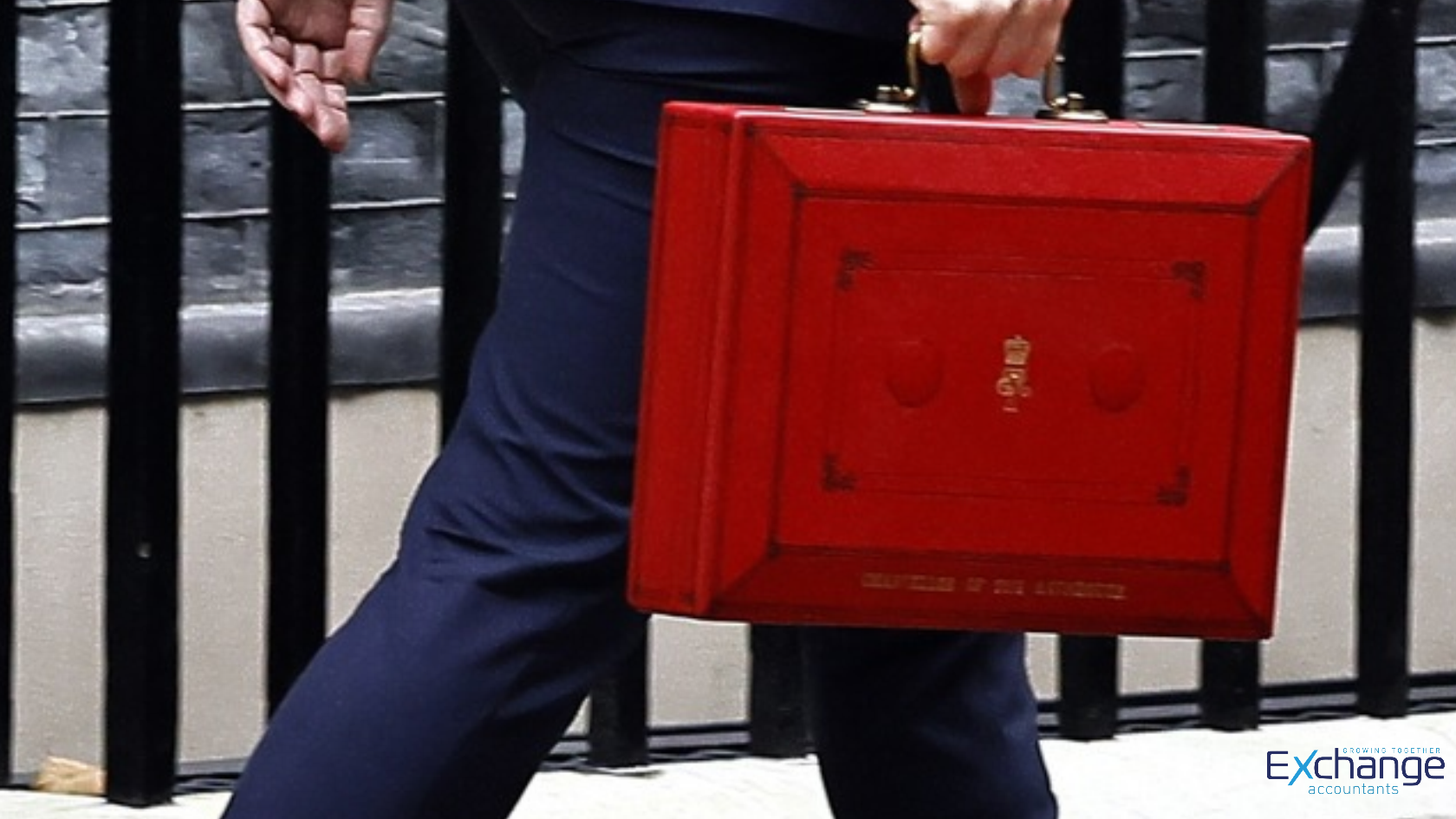
When Chancellor John Healey delivered his Autumn Budget on 28 October, businesses across Northern Ireland were looking for some much-needed certainty.
After years of rising employment costs, pressure on margins and economic uncertainty, many employers hoped the Budget would make it easier to recruit, invest and grow.
Now that the dust has settled, the picture is mixed.
There were positive announcements for Northern Ireland, including additional funding, investment in cybersecurity and measures that could benefit manufacturing and other growth sectors.
But there was also disappointment, particularly among smaller businesses facing immediate financial pressures.
And perhaps the biggest question is whether Northern Ireland’s economic challenges are receiving enough attention from either Westminster or Stormont.
Employment costs: The pressure continues
For many businesses, the most significant issue isn’t a lack of ambition. It’s the increasing cost of employing people.
From April 2027, the National Living Wage for workers aged 21 and over will rise by 3.9%, from £12.71 to £13.21 per hour.
That might sound like a relatively modest increase, but the cumulative impact can be considerable.
Take a hospitality business employing 20 full-time staff, each working 37.5 hours per week on the National Living Wage.
The additional 50p per hour would increase its annual basic wage bill by approximately £19,500, before accounting for any associated employment costs.
For businesses already dealing with higher energy bills, insurance, supplier costs and employers’ National Insurance, that’s another significant expense to absorb.
The Budget did not reduce the main employer National Insurance rate or raise the employer secondary threshold to ease recruitment costs.
This was a particular disappointment for business organisations.
Ahead of the Budget, NI Chamber reported that three-quarters of respondents to its Quarterly Business Insights Survey identified a reduction in employer National Insurance contributions as the measure that would have the greatest positive impact on their business.
The issue isn’t whether employees deserve fair pay. Of course they do.
It’s whether businesses are being given the conditions they need to support sustainable wage growth while continuing to recruit and invest.
Our view: Increasing employment costs without addressing the wider pressures on employers risks making businesses more cautious about recruitment, particularly in labour-intensive sectors.
Retail and hospitality: Why should Northern Ireland miss out?
One of the most significant Budget announcements concerned business rates relief for retail, hospitality and leisure businesses in England.
From April 2027, qualifying properties in England will benefit from more generous Small Business Rate Relief thresholds.
The threshold for 100% relief will increase from £12,000 to £18,000 in rateable value, while the upper threshold for tapered relief will increase from £15,000 to £21,000.
The UK Government estimates that approximately 70,000 additional retail, hospitality and leisure properties in England will pay no business rates as a result.
But these changes do not automatically apply to Northern Ireland.
Business rates are devolved, meaning the Northern Ireland Executive makes decisions about the rating system here.
This distinction matters enormously.
A small independent retailer in Belfast, a café in Bangor or a hospitality business in Newry faces many of the same national cost pressures as its counterparts in England.
Yet it cannot assume that equivalent business rates support will be available.
Retail NI has already called for additional funding received by the Northern Ireland Executive through the Barnett formula to be used to deliver meaningful rates relief for local businesses.
The organisation also highlighted Northern Ireland’s high street vacancy rate of 25%, underlining the challenges facing our town and city centres.
There is a legitimate question here.
If Westminster recognises that English high streets need additional support, shouldn’t Northern Ireland’s businesses have access to comparable assistance?
Of course, the Executive must decide how to allocate its funding. But that makes the choices at Stormont even more important.
Our view: Northern Ireland needs a serious review of its business rates system. Independent retailers and hospitality operators cannot continue absorbing rising costs without meaningful consideration of their competitiveness.
Transport and logistics: Some relief, but no long-term certainty
Northern Ireland’s transport and logistics industry plays a particularly important role in our economy.
From moving agricultural products and manufactured goods to supporting retailers and international trade, the sector underpins countless other businesses.
The Budget delivered some welcome short-term relief.
The existing 5p-per-litre reduction in fuel duty has been extended until 1 July 2027.
For haulage operators managing substantial fuel bills, that provides some breathing space.
However, the Government plans to reverse the temporary reduction from July 2027, alongside an inflation-linked increase in fuel duty.
That creates another potential cost pressure for businesses planning their budgets for the second half of next year.
For a transport company operating a large fleet, fuel costs can have a major impact on profitability.
And fuel is only one part of the equation.
Operators must also consider wages, vehicle maintenance, insurance, financing and the cost of replacing or expanding their fleets.
The Budget’s investment measures may be relevant to businesses purchasing qualifying equipment or improving operational infrastructure, although tax treatment varies depending on the asset.
Our view: Short-term fuel duty relief is welcome, but transport businesses need longer-term predictability. Careful financial forecasting will remain essential, particularly for companies operating on tight margins.
Manufacturing and engineering: Opportunities worth exploring
There were more encouraging announcements for certain Northern Ireland growth sectors.
The Budget confirmed £7.5 million of new research and development investment for Queen’s University Belfast’s Centre for Secure Information Technologies Cyber AI Hub.
A further £1 million was announced for a Northern Ireland Investment Summit, intended to showcase investment opportunities and attract business interest.
These announcements support areas where Northern Ireland has established strengths, including cybersecurity, technology and innovation.
There may also be opportunities for manufacturers and engineering companies through wider UK investment measures and access to business finance.
However, it is important to distinguish between investment announcements and funding that individual businesses can access directly.
A commitment to a research centre or investment summit does not automatically mean financial support is available to every local manufacturer.
For smaller manufacturing businesses, the immediate priorities may be more practical: managing energy costs, financing machinery, recruiting skilled employees and maintaining healthy cash flow.
Our view: Northern Ireland has significant potential in advanced manufacturing, engineering and technology. But investment announcements must be followed by accessible opportunities that help businesses of different sizes grow.
Energy costs: A continuing competitiveness issue
Energy remains a major concern for many Northern Ireland businesses, particularly manufacturers and other energy-intensive operators.
The Budget confirmed funding for the Northern Ireland Executive to deliver support comparable to the British Industrial Competitiveness Scheme.
That is a positive development.
However, the practical impact will depend on how the Northern Ireland scheme is designed, which businesses qualify and when support becomes available.
The wider challenge remains.
Businesses making investment decisions need confidence that their energy costs will be competitive over the long term.
For manufacturers competing with businesses in Great Britain, the Republic of Ireland and international markets, energy pricing can influence where investment takes place and whether expansion is financially viable.
Our view: Targeted support is welcome, but Northern Ireland also needs a longer-term approach to affordable, reliable energy for businesses.
What about the £270 million announced for Northern Ireland?
One point that deserves recognition is the additional funding allocated to the Northern Ireland Executive.
The UK Government confirmed approximately £270 million in additional funding through the Barnett formula, covering the period to 2030.
This is on top of previous funding settlements.
The Budget also included measures relevant to Northern Ireland households and businesses, including the fuel duty extension and temporary tariff suspensions affecting certain food products and heating oil.
It would therefore be inaccurate to suggest that Northern Ireland received nothing.
But the existence of additional funding does not, by itself, resolve the challenges facing local employers.
The question is how that funding will be used, and whether businesses will see meaningful improvements in the conditions needed for growth.
That brings us to Stormont.
Westminster or Stormont: Who is responsible for getting Northern Ireland moving?
It would be easy to place all the blame on Westminster.
But that would overlook the significant responsibilities held by the Northern Ireland Executive.
Business rates, economic development, skills and important elements of infrastructure policy are areas where decisions made at Stormont have a direct impact on businesses.
At the time of the Budget, Northern Ireland still lacked an agreed Executive Budget for 2026–27.
NI Chamber has highlighted the uncertainty this creates for investment in infrastructure, skills and public services.
It has also pointed to planning delays, wastewater constraints and energy infrastructure as barriers to economic development.
These aren’t abstract political issues.
They affect whether a manufacturer can expand its premises, whether a developer can proceed with a project and whether an employer can access the skilled workforce needed to grow.
There are two legitimate sides to the funding debate.
The Northern Ireland Executive argues that it needs a fair and sustainable funding settlement from Westminster to meet growing demands on public services.
Businesses, meanwhile, are entitled to expect clear priorities, effective spending decisions and a long-term plan from their local government.
Both arguments deserve attention.
But the result cannot be continued uncertainty.
Our view: Westminster must recognise Northern Ireland’s particular economic circumstances, while Stormont must demonstrate that supporting business growth is a genuine priority.
Businesses need both governments working together, not a continuing debate about which one should act first.
What should Northern Ireland businesses do now?
Political decisions matter, but businesses cannot afford to put their own plans on hold while waiting for greater certainty.
For limited companies and growing SMEs, we believe there are five priorities worth addressing before 2027.
1. Review employment costs
Calculate the impact of the April 2027 minimum wage increase, alongside employers’ National Insurance, pensions and other staffing costs. Consider whether existing pricing and staffing plans remain sustainable.
2. Revisit cash flow forecasts
Look beyond profitability. Understand when money will enter and leave the business, particularly where wages, fuel, energy or supplier costs are increasing.
3. Plan investment carefully
If you’re considering purchasing equipment, machinery or other business assets, review the available tax reliefs and financing options before committing expenditure.
4. Understand the support relevant to your sector
Manufacturers, technology businesses and energy-intensive companies should monitor the development of investment and support programmes, checking eligibility rather than assuming announced funding will be available directly.
5. Use your financial information to make better decisions
Accurate management accounts, cash flow projections and real-time financial reporting can help identify problems early and support more confident decision-making.
Our conclusion: Northern Ireland needs more than another Budget announcement
The Autumn Budget 2026 was not without positives for Northern Ireland.
Additional funding, investment in cybersecurity, fuel duty relief and potential energy support are all worth acknowledging.
But it is difficult to argue that the Budget fully addressed the pressures facing our business community.
Employment costs remain high. Retailers and hospitality operators are looking for meaningful rates relief. Transport businesses face uncertainty over future fuel costs. Manufacturers need competitive energy prices and greater confidence to invest.
And across the economy, businesses are still waiting for the certainty that an agreed Executive Budget and coordinated economic strategy should provide.
Northern Ireland has no shortage of ambitious businesses.
What it needs is an environment that allows those businesses to succeed.
Our message to Westminster and Stormont is simple: supporting economic growth must mean more than announcing investment. It must mean making it easier for businesses to employ people, manage costs and plan for the future.
At Exchange Accountants, we believe strong financial planning is particularly important during periods of uncertainty.
We work alongside Northern Ireland businesses to provide the financial clarity, digital accounting tools and practical advice they need to make informed decisions.
Because whatever happens politically, businesses still need to keep moving forward.
Exchange Accountants. Growing Together.
www.exchangeaccountants.com
028 9263 4135