E-Invoicing Is Coming: Is Your Business Ready for the Next Digital Change?
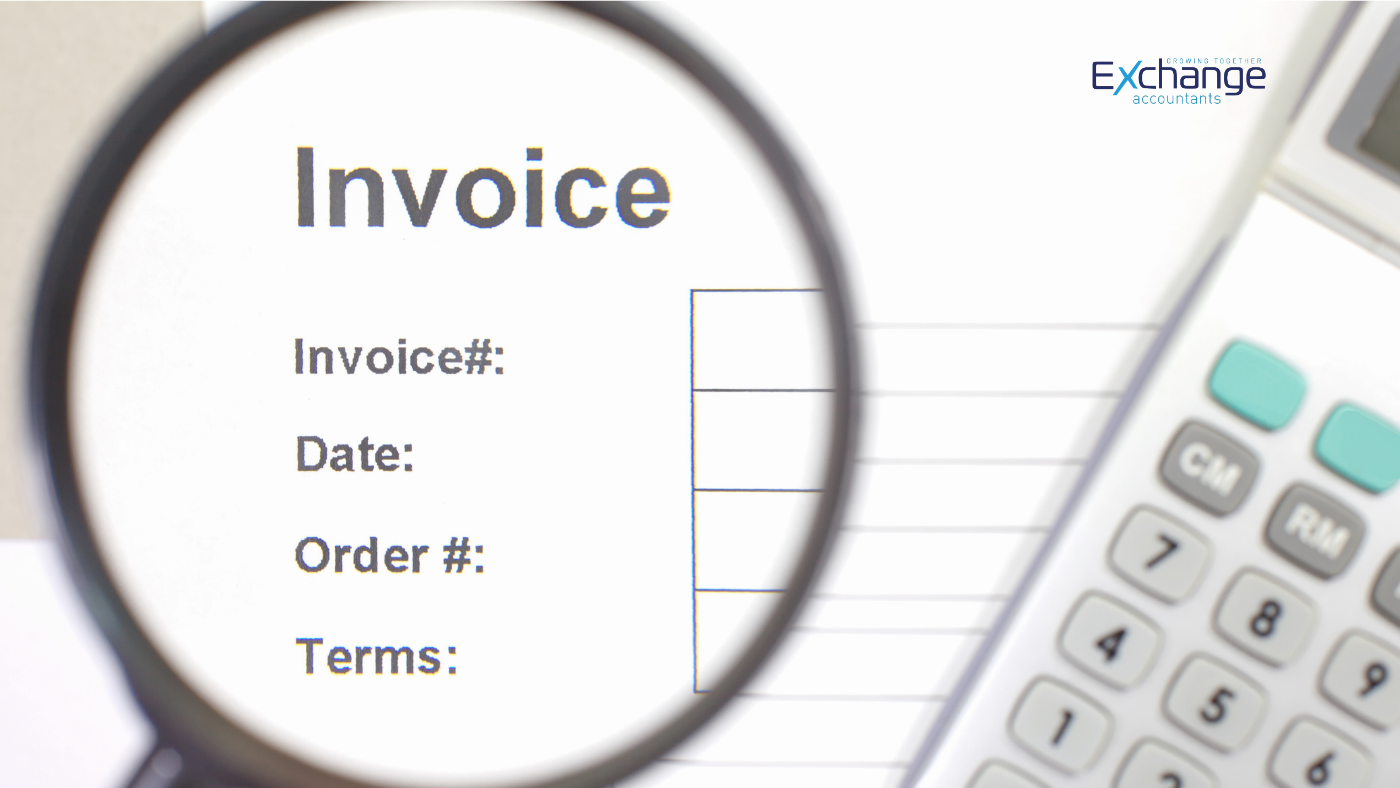
Many businesses already email invoices and describe that as e-invoicing. The government’s planned move towards structured electronic VAT invoices is different. It is about invoice data being created and exchanged in a format that compatible systems can process, reducing the need to re-enter information manually.
What has been announced?
The Autumn Budget confirmed a roadmap towards mandatory electronic VAT invoicing from April 2029. The technical requirements and detailed guidance are still being developed, so businesses should avoid making assumptions about the final specifications. The direction, however, is clear: more connected digital record-keeping is on the way.
Why it matters before 2029
Good invoicing processes can help now. Sending invoices promptly, using consistent customer details, reconciling payments and reducing manual entry can save time and improve visibility of money owed. If your team relies on spreadsheets, paper or multiple disconnected systems, this is a useful moment to review how information moves through the business.
Questions to ask your software provider
Can your current system integrate with your accounting software? How are invoices approved and stored? Is there a reliable audit trail? How easily can your team identify unpaid invoices and reconcile receipts? You do not need to choose a new system simply because of a future announcement, but you should know what your existing tools can do.
Digital should make business easier
As a Xero Platinum Partner, Exchange helps businesses use cloud accounting for more than compliance. Our focus is on accurate information, smoother processes and more time for the work that matters. If you are unsure whether your current setup is working as well as it could, we would be happy to talk.